B2B E-commerce Trends for 2026: The New Standard for Digital Sales
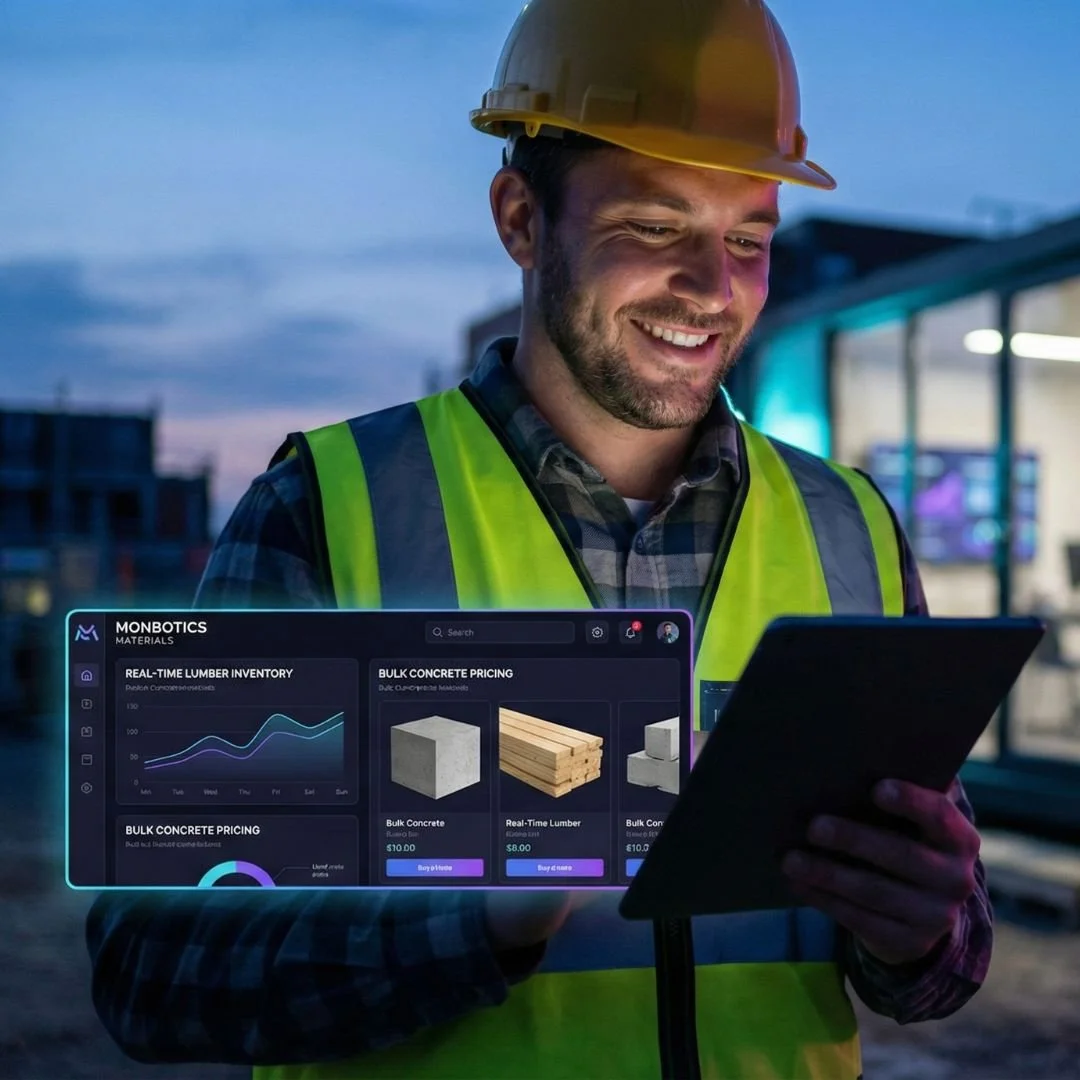
For years, B2B sales relied on handshakes, long lunch meetings, and manual purchase orders. However, as we enter 2026, a generational shift in leadership has changed the rules of engagement. Today’s decision-makers are digital natives who prefer to research, configure, and purchase complex industrial goods online without picking up a phone. For the CEO or VP of Sales, having a robust B2B e-commerce platform is a primary driver of revenue and retention.
In addition to providing a digital catalog, a modern platform must handle the intricate logic of enterprise contracts. By embracing a digital sales transformation, businesses are finding they can serve more customers with greater precision while reducing the burden on their traditional sales teams.
The Rise of the "Self-Service" Enterprise Buyer
The biggest trend for 2026 is the demand for autonomy. Buyers at large organizations want to manage their own accounts, view their specific negotiated pricing, and track shipments in real-time. If your current system requires a customer to call a representative just to check stock levels, you are likely losing business to more agile competitors.
Specifically, the modern customer buying experience in the B2B sector now mirrors the B2C world. Buyers expect intuitive search, mobile accessibility, and one-click reordering. However, behind that simple interface must lie a complex engine capable of handling tiered pricing, credit limits, and multiple user permissions.
Consequently, the goal for 2026 is to remove every possible point of friction between the buyer's need and the final checkout.
Why Headless Commerce is the Foundation for Growth
One of the most significant technical shifts we are seeing is the move toward headless commerce. For many VPs, the term sounds like technical jargon, but the business benefit is simple: speed and flexibility. Headless commerce separates the "front-end" (what the customer sees) from the "back-end" (your inventory and pricing logic).
Moreover, this architecture allows you to update your user interface or launch a mobile app without needing to rebuild your entire database. In a market where consumer preferences change monthly, being able to pivot your customer buying experience quickly is a major competitive advantage.
For instance, a headless approach allows you to integrate AI-driven product recommendations or 3D configuration tools into your site much faster than a traditional "all-in-one" platform would allow. This flexibility is what separates the market leaders from those stuck on legacy systems.
Accelerating Revenue Through Digital Sales Transformation
A true digital sales transformation is about more than just technology; it is about changing how your company captures value. When a B2B e-commerce platform is implemented correctly, it acts as a force multiplier for your sales department. Instead of your top reps spending time on routine order entry, they can focus on high-level relationship building and complex account acquisition.
Personalized Catalog Management
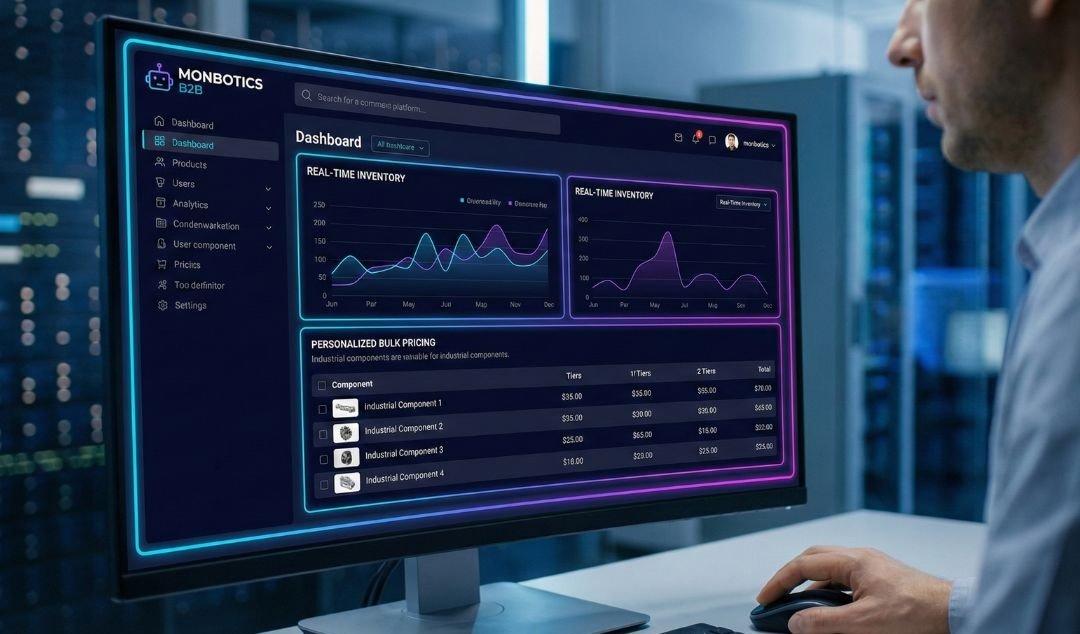
In 2026, "one-size-fits-all" is dead. Modern platforms allow you to show different products and prices to different customers based on their specific contracts. This level of personalization ensures that the customer buying experience feels bespoke, even if the process is entirely automated.
Predictive Reordering
By using data from previous years, your platform can now predict when a customer is running low on a specific component and send a reminder or a pre-filled cart. This proactive approach turns a passive storefront into an active sales assistant.
Ultimately, this transformation leads to higher average order values and increased customer lifetime value, as buyers tend to stick with the vendor that makes the purchasing process the easiest.
Overcoming the Complexity of B2B Logistics
Unlike B2C shipping, B2B logistics involves freight carriers, pallet tracking, and warehouse scheduling. A high-performing B2B e-commerce platform must integrate directly with your shipping and RPA systems to provide accurate quotes and delivery timelines.
In contrast to older systems that provide "estimates," the 2026 standard is "exactitude." Buyers need to know exactly when a part will arrive on their factory floor to keep their own operations running. Providing this data through your web portal builds a level of trust that manual processes simply cannot match.
Invest in the Future of Your Sales Force
The transition to digital-first B2B sales is not a trend that will reverse. As we look toward the remainder of 2026 and beyond, the gap between companies with a sophisticated digital presence and those without will only widen. By focusing on a seamless customer buying experience and a flexible headless commerce architecture, you are future-proofing your business against market shifts.
B2B e-commerce platform development is an investment in your company’s agility and its ability to meet the next generation of buyers on their own terms.
Is your current sales platform holding you back from your growth targets?
Contact Monbotics for a Digital Strategy Consultation and let us show you how to transform your website into a high-performance sales machine.