Native vs. Cross-Platform: Choosing the Right Mobile App Strategy for 2026
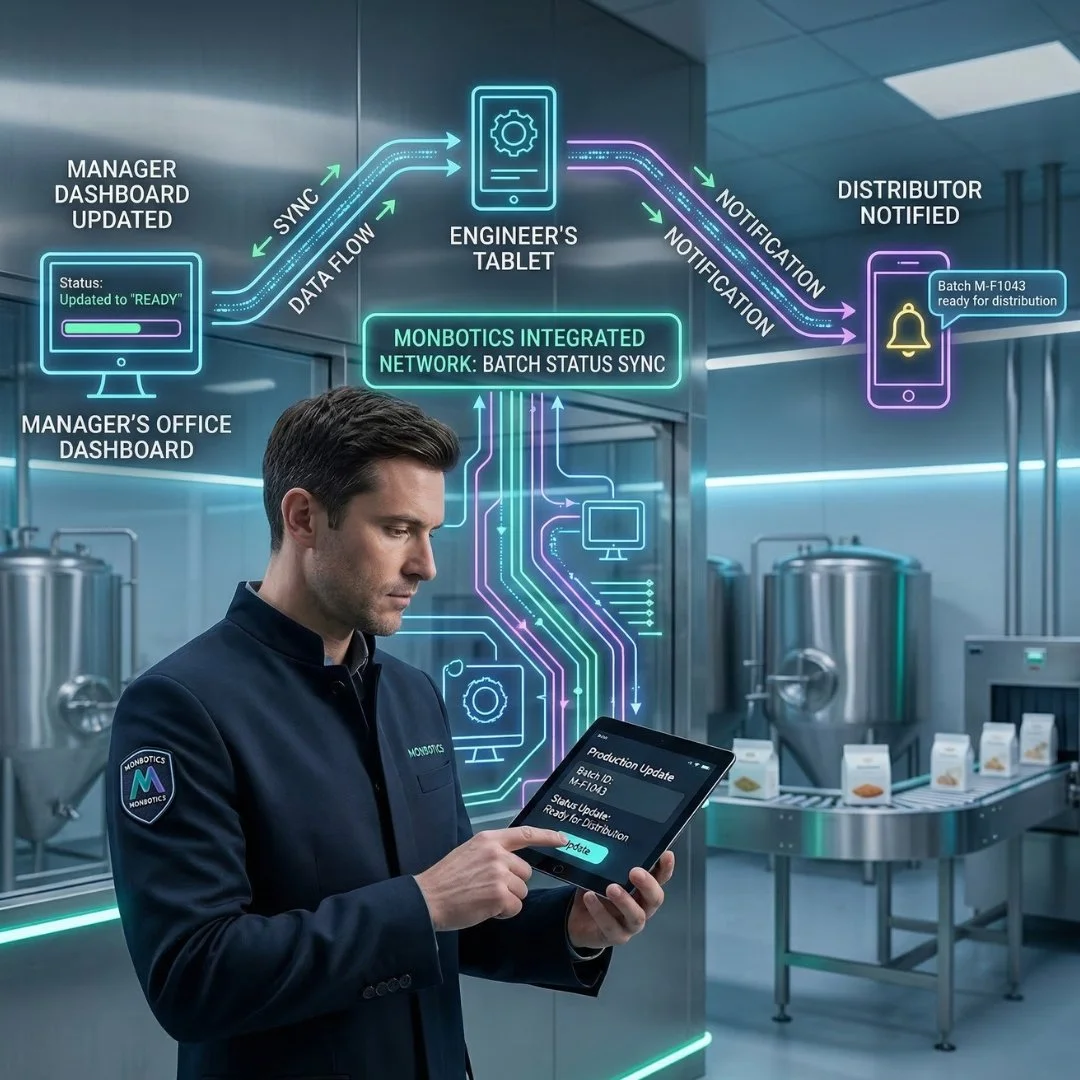
In the high-stakes environment of 2026, a mobile app serves as a critical interface for your entire operation. For a CEO or VP, the most important question isn't about the code itself, but about the mobile app strategy that ensures your team and customers stay connected across all platforms, whether that is a Web App, iOS, or Android.
In addition to providing a smooth interface, a modern app must serve as a window into your automated back-office. By focusing on how your mobile tools talk to your internal systems, you transform a simple application into a powerful driver of enterprise app development.
Understanding the Foundation: Native App Development
When we speak of native app development, we refer to building separate applications for iOS and Android. This approach is often compared to buying a custom-tailored suit. It’s designed to fit the specific hardware perfectly.
Specifically, native apps offer the highest possible performance. Because they interact directly with the device’s hardware, they provide a seamless user experience (UX) that feels fast and responsive. If your application requires heavy processing, such as advanced AR features or complex real-time data visualization, native is usually the superior choice.
Consequently, the trade-off is the cost. You essentially have to pay for two separate development teams and maintain two different codebases. For many enterprises, this is a significant investment that must be justified by a clear need for high-end performance.
The Platform Decision: Reaching Your Users Where They Are
When defining your mobile app strategy, the first hurdle is deciding how to deploy to the three major pillar platforms: iOS, Android, and the Web.
The Case for Native Development
Choosing to build specifically for iOS and Android separately is the "premium" path. This is ideal when your team needs to use complex device features like advanced GPS tracking for logistics or high-resolution camera scanning for inventory. While this requires more investment, it ensures the highest possible performance for mission-critical tasks.
The Efficiency of Cross-Platform Solutions
For most business applications, cross-platform solutions offer the best ROI. This approach allows you to launch one high-quality app that works perfectly on both iPhone and Android devices simultaneously. Moreover, it ensures that every user, no matter what device they hold, has the exact same experience, making training and support much simpler for your managers.

Strategy Tip: The Power of the Connected Ecosystem
A mobile app is only as strong as the data behind it. A common mistake in enterprise app development is treating the app as an isolated island. In 2026, the real winners are those who realize that an app's true value comes from RPA integration.
Imagine a field manager using an Android tablet to update a shipment status. Instead of that data sitting in a silo, it should trigger an RPA "digital worker" to instantly update your accounting software, notify the warehouse via the Web App, and email the client.
In result, your app becomes more than a tool; it becomes a remote control for your entire business. When your mobile interface is connected to your RPA software, you eliminate manual data entry and ensure that your "office" and your "field" are always in perfect sync.
Solutions for the Modern Enterprise
When we look at mobile app strategy, we focus on three primary solutions that drive the most value for our clients:
Customer Loyalty & E-commerce Apps:
Giving your clients a direct, branded way to order and track services on their phones.
Field Operations Tools:
Empowering remote teams with iOS and Android tools that work offline and sync data the moment they are back online.
Executive Dashboards:
Providing managers with a "real-time pulse" of the company via a secure Web App or mobile interface.
Ultimately, the goal of these cross-platform solutions is to remove friction. If your employees spend more time fighting with a clunky app than doing their jobs, the strategy has failed. The technology should be invisible; the results should be obvious.
How Monbotics Executes This Strategic Approach
At Monbotics, we don't just "build apps." We design connected digital ecosystems. Our approach to enterprise app development starts with understanding your business logic.
We begin by identifying where your manual bottlenecks are. Then, we build the mobile interface, whether native or cross-platform, and immediately perform the RPA integration necessary to link that app to your back-office systems. This ensures that when a button is pushed on a mobile screen in the field, a process is completed in the office automatically.
We specialize in ensuring that your Web App, iOS, and Android platforms aren't just mirrors of each other, but are optimized for how your users actually work. By bridging the gap between mobile ease-of-use and back-office automation, we help you build a business that is truly mobile-first.
Is your mobile strategy disconnected from your back-office?
Contact Monbotics for a Strategic Mobile Audit and let us show you how to connect your apps to your automation for 2026 and beyond.